

HIGH LINE Commerce
An e-commerce platform for our own apparel brand that brings together storefront, admin panel and API.
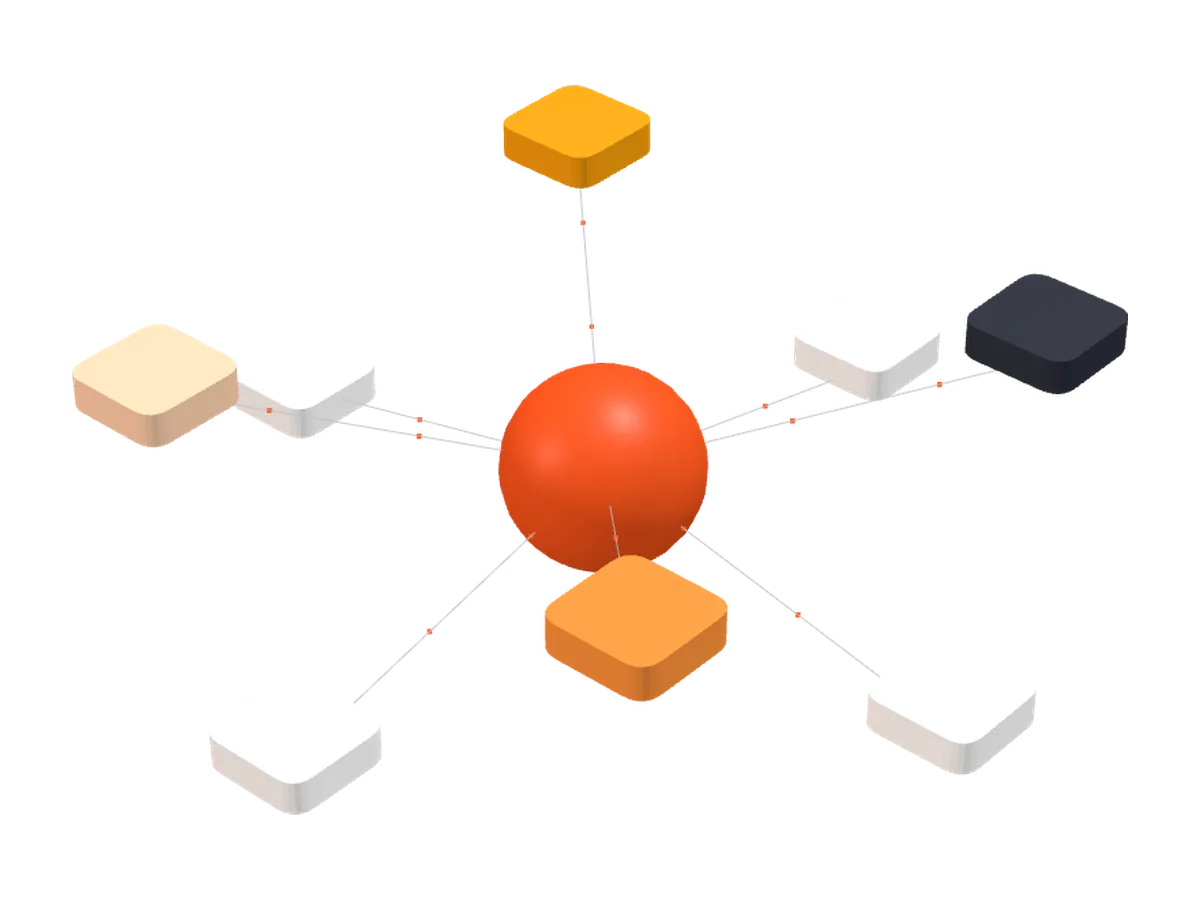
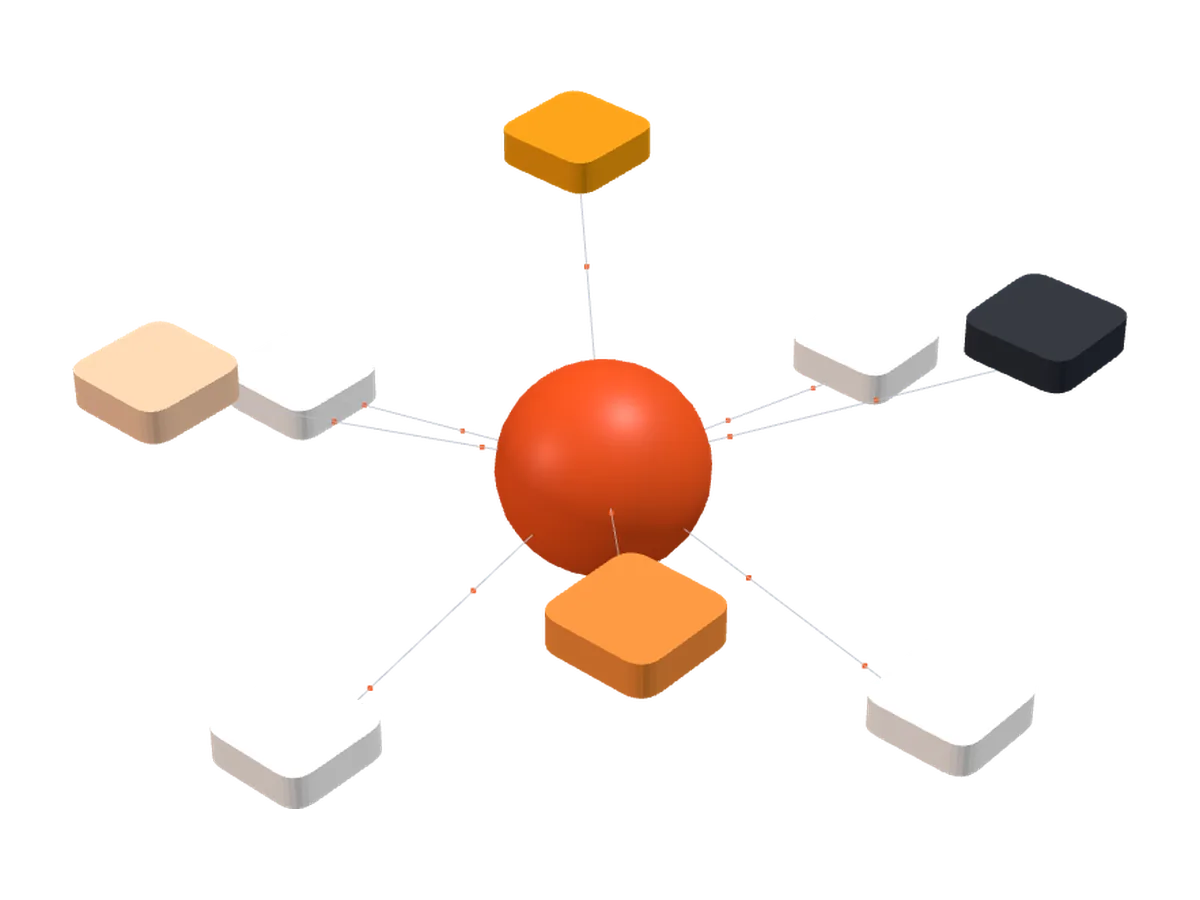
Reliable connections between your systems and payment, shipping, accounting and third-party services.
An integration is only as good as what happens when the other side does not answer. We design APIs with explicit contracts and build in retries, duplicate protection and error records from the start.
What we often find
Our approach
Signed, retried event delivery.
Integration with payment gateways and accounting services.
Live updates over WebSocket.
No data loss when the other system does not respond.
Safe processing of repeated or out-of-order events.
OpenAPI-based documentation that stays current.
Connecting payments, shipping and accounting.
Key-based access for partners.
Panels that change in real time and multiplayer systems.
Removing manual data transfer from operations.
An e-commerce platform for our own apparel brand that brings together storefront, admin panel and API.
We measure its behaviour in a test environment, document it and state the risk up front.
Yes, under a monitoring and maintenance agreement.
We work out its behaviour through testing and share risks and limits in advance.
Error rates and queue length are monitored, and alerts reach the assigned people.